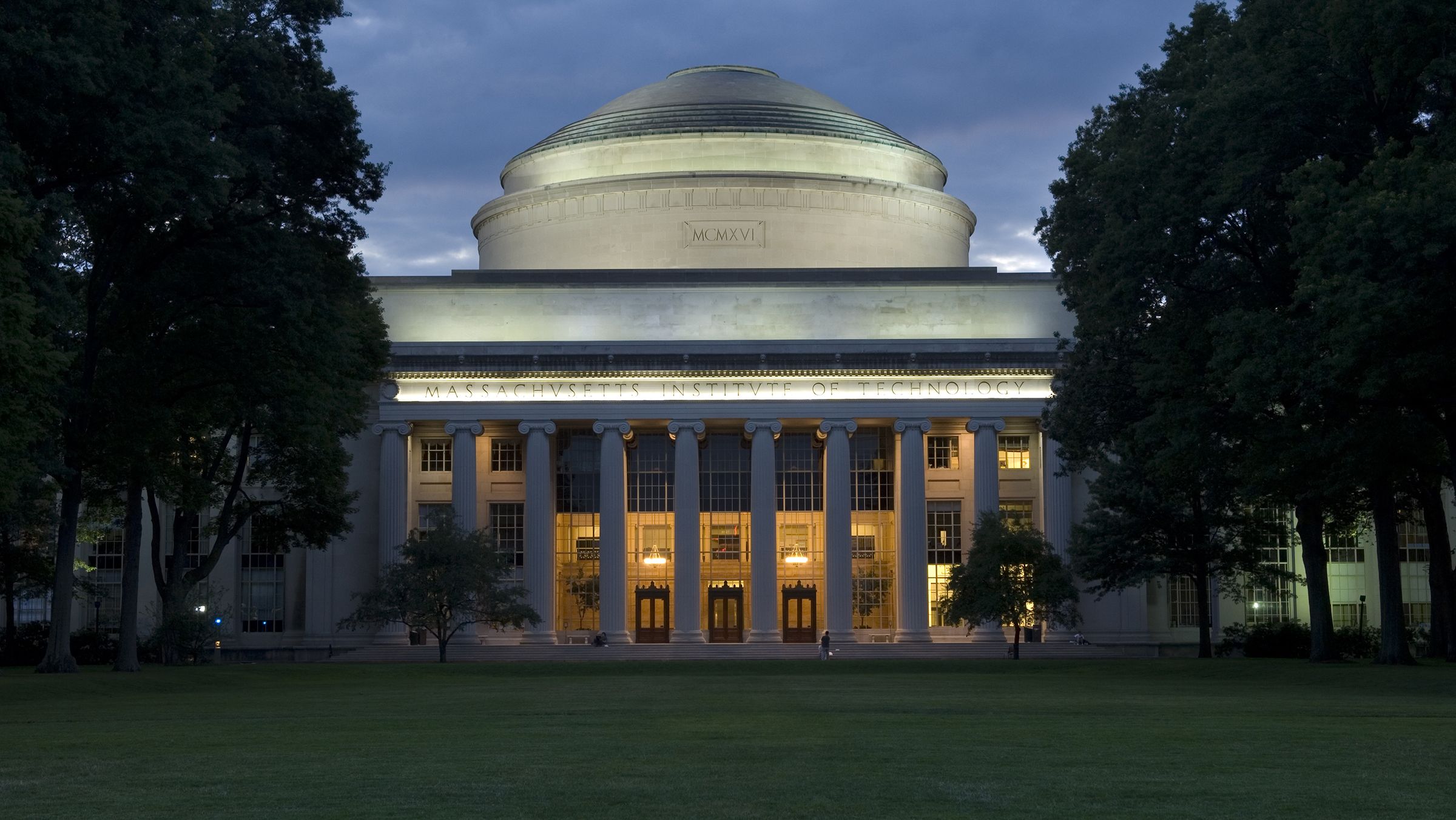
Securing admission to world-class institutions such as the Massachusetts Institute of Technology (MIT), Stanford University, Princeton University, Yale University, the University of Chicago, and Northwestern University is a dream for countless students across the globe. These universities are renowned not only for their academic excellence but also for their research opportunities, diverse student communities, and ability to shape future leaders. However, gaining admission is an extremely competitive process that requires careful planning, dedication, and strategy.
This article provides a detailed roadmap on how to improve your chances of being admitted to these prestigious universities.
1. Understand the Admission Philosophy
Before diving into requirements, it’s crucial to understand what these universities are looking for. Unlike many institutions that admit students primarily based on academic performance, elite U.S. universities adopt a holistic admissions process. This means that while academic excellence is essential, admissions committees also weigh extracurricular involvement, leadership potential, essays, recommendations, and personal qualities.
The main criteria include:
- Academic Excellence (grades, standardized test scores, challenging coursework)
- Extracurricular Achievements (sports, music, research, community service, entrepreneurship, etc.)
- Leadership and Initiative
- Personal Essays and Statements
- Letters of Recommendation
- Character and Fit with the University Culture
2. Academic Preparation
High School Curriculum
- Aim for the most rigorous courses offered at your school (Advanced Placement (AP), International Baccalaureate (IB), A-levels, or Honors).
- Maintain a near-perfect GPA (usually 3.9–4.0 on a 4.0 scale).
Standardized Tests
- While many universities have adopted test-optional policies, strong SAT/ACT scores can strengthen your application, especially for international students.
- Target Scores:
- MIT & Stanford: SAT 1530+ or ACT 34+
- Princeton, Yale, UChicago, Northwestern: SAT 1500+ or ACT 33+
Subject Tests & Competitions
- MIT and Stanford value students who excel in STEM competitions (Math Olympiad, Science Fairs, Robotics, Coding Contests).
- For humanities and social sciences, national or international recognition in debates, writing, or history competitions can stand out.
3. Extracurricular Activities
Elite schools want to see depth, not breadth. Instead of joining 20 clubs, focus on 2–3 activities where you excel and demonstrate leadership.
Examples:
- MIT: Robotics clubs, coding hackathons, scientific research projects.
- Stanford: Startups, leadership in tech or social innovation, community projects.
- Princeton & Yale: Public service, leadership in arts, writing, social activism.
- University of Chicago: Debate team, philosophy clubs, intellectual pursuits.
- Northwestern: Theater, journalism, music, alongside academics.
Tip: Try to achieve national or international recognition in your chosen field. Winning competitions or publishing research papers greatly boosts your application.
4. Personal Essays
Essays are arguably the most important component after academics. They allow you to showcase your personality, values, and vision.
- MIT Essays: Short-answer questions focusing on problem-solving, curiosity, and teamwork.
- Stanford Essays: Famous for “What matters to you, and why?”—requires deep self-reflection.
- Princeton & Yale Essays: Ask about service, values, or intellectual curiosity.
- UChicago Essays: Known for quirky prompts like “What can actually be divided by zero?” or “Where is Waldo, really?”—creativity is key.
- Northwestern Essays: Focuses on fit—“Why Northwestern?” Show how their programs align with your interests.
Tips for Strong Essays:
- Be authentic and personal.
- Show—not just tell—your experiences.
- Connect your story to the university’s values.
- Avoid generic statements like “I want to change the world.” Instead, provide a specific, personal example.
5. Letters of Recommendation
Strong recommendations from teachers and mentors are vital. Admissions officers want insights into your character, work ethic, and potential.
- Choose teachers who know you well (not just those in which you scored high).
- Encourage recommenders to highlight specific stories showing your leadership, intellectual curiosity, or resilience.
- A recommendation from a mentor outside school (research advisor, internship supervisor) can add value, especially for research-focused universities like MIT or Stanford.
6. Demonstrating Passion and Initiative
These universities favor students who are creators, not just consumers of knowledge.
Ways to demonstrate passion:
- Conduct independent research and publish findings.
- Launch a startup, app, or nonprofit.
- Initiate a social project that creates measurable impact.
- Write blogs, record podcasts, or contribute to open-source projects.
Your application should tell a consistent story: “This is who I am, this is what I care about, and this is how I’ve made a difference.”
7. Interviews
Most of these universities conduct alumni or admissions interviews.
Tips for Success:
- Be prepared to talk about your goals, passions, and activities.
- Research the university thoroughly and articulate why it’s the best fit for you.
- Practice speaking confidently, but stay genuine.
8. Financial Aid and Scholarships
The good news is that most of these universities are need-blind for U.S. citizens, and many are need-aware but generous for international students.
- MIT, Harvard, Princeton, Yale: Meet 100% of demonstrated financial need, often without loans.
- Stanford, UChicago, Northwestern: Offer strong need-based aid and merit scholarships.
Prepare financial documents early if you are applying for aid.
9. Deadlines and Application Platforms
Most applications are submitted through the Common Application (Common App) or the Coalition Application.
- Early Action (EA) or Early Decision (ED): Applying early can slightly increase chances. MIT has Restrictive Early Action, while others like UChicago have ED options.
- Regular Decision: Usually due January 1st.
Tip: Start at least 12–18 months before deadlines to prepare.
10. University-Specific Insights
MIT
- Strong emphasis on math, science, and innovation.
- Loves “makers”—students who tinker, invent, and solve real-world problems.
Stanford
- Known as “Silicon Valley’s university.”
- Values entrepreneurship, creativity, and leadership.
Princeton
- Prioritizes academic excellence and community service.
- Strong focus on undergraduate teaching.
Yale
- Looks for students with intellectual curiosity and leadership in arts/humanities as much as sciences.
- Renowned for its residential college system and vibrant campus culture.
University of Chicago
- Intellectual “quirkiness” is celebrated.
- Admissions essays play a major role in standing out.
Northwestern
- Strong programs in journalism, communication, theater, and business.
- Encourages students who are versatile—excelling in academics and arts alike.
11. Common Mistakes to Avoid
- Submitting generic essays.
- Overloading on extracurriculars without depth.
- Neglecting to research each university’s culture.
- Relying solely on test scores without showing leadership or initiative.
Conclusion
Gaining admission into MIT, Stanford, Princeton, Yale, University of Chicago, or Northwestern is no easy feat. Acceptance rates range from 3% to 7%, making them some of the most selective schools in the world. However, with careful preparation—balancing academics, extracurriculars, essays, and authentic passion—you can significantly improve your chances.
Remember, these universities are not just looking for students with perfect scores; they want future leaders, innovators, thinkers, and change-makers. If your application tells a compelling story about who you are and what you will contribute to the campus and the world, you stand a strong chance of turning your dream into reality.
